
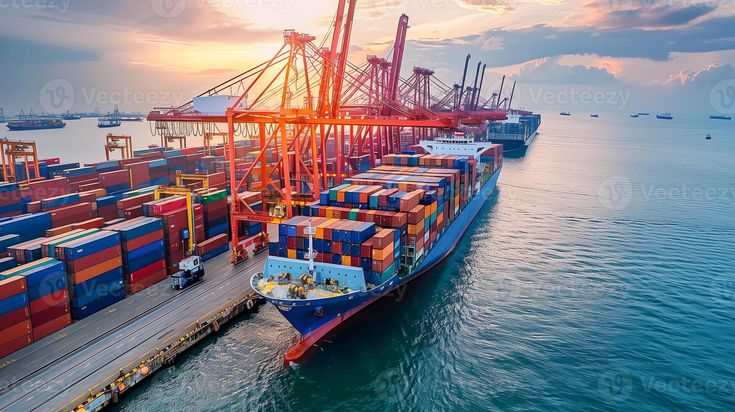
Trade Volumes in 2024
After the volatility of 2021–2023, global trade volumes in 2024 are stabilising but not returning to pre-pandemic growth trends. The World Trade Organization projects modest volume growth of 2–3%, with significant variation by region and commodity.
Key dynamics:
- Asia-Pacific remains the engine of manufactured goods trade
- Americas intra-regional trade is growing faster than transcontinental flows
- EU imports have moderated as the region manages energy costs and subdued consumer demand
Freight Rate Environment
Ocean freight rates have normalised significantly from their 2021–2022 peaks. Spot rates on the Trans-Pacific eastbound corridor are back within historical ranges, though contract rates remain above pre-pandemic levels as carriers have learned from the volatility.
Air cargo rates have also eased but remain structurally higher than 2019 levels due to:
- Higher fuel costs
- Increased demand from e-commerce
- Tighter freighter capacity management by major airlines
Geopolitical Considerations
Trade routes continue to be affected by regional tensions. Shippers routing through certain corridors face:
- Extended transits due to routing around conflict zones
- Additional insurance premiums
- Vessel availability constraints on specific lanes
Yilong continuously monitors route risk and proactively re-routes shipments to minimise exposure to disruptions.
Opportunities for Importers and Exporters
Despite headwinds, 2024 presents real opportunities for businesses with the right logistics strategy. Normalised freight rates make it an ideal time to lock in medium-term contracts. Companies that diversified their supply chains in 2022–2023 are now reaping the benefits of lower unit logistics costs and improved reliability.